Oyster-AI-Bot

Multi-species oyster mushroom cultivation assistant

About this assistant: This offline version uses a curated FAQ and keyword-based answers; it is not connected to a live AI model. Advice is educational and must be checked against your strain supplier’s protocol and qualified cultivation guidance.

🌱 Today's crop record

Records stay in this page session only. Export them before closing the browser.

💬 Ask your AI Bot

Namaste, Farmer! I am your Oyster-AI-Bot. Which batch and cultivation stage are you working on today? Tell me what you observe, and I will help you decide what to check next.
Try asking about:

Offline knowledge mode · curated oyster-mushroom guidance with keyword-based answers; not a live generative AI service.

Oyster Mushroom Knowledge Centre

Explore yellow, blue, white, pink and brown oyster mushrooms, compare their growth habits, and learn strain-aware cultivation, nutrition, hygiene and crop management. Select any question to read an answer or send it to the chat assistant.

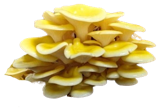
Yellow oyster mushroom cluster, background removed and tightly cropped

About yellow oyster mushroom

Yellow oyster mushroom is commonly known as Pleurotus citrinopileatus. It forms bright yellow to golden clusters with delicate caps and is valued as an edible specialty mushroom. Oyster mushrooms are saprotrophic fungi that grow on lignocellulosic materials such as suitable straw, cotton waste and hardwood-based substrates.

Reliable production depends on correctly identified strain and spawn, clean substrate preparation, adequate pasteurisation or sterilisation for the chosen recipe, hygienic spawning, suitable temperature and humidity, strong fresh-air exchange, and timely harvesting. Yellow oyster strains may be more heat-sensitive and have a shorter post-harvest life than some common oyster strains; follow the supplier's strain-specific protocol.

Quick identification

Look for clustered, fan-shaped caps and decurrent gills. Colour can fade with age, lighting and growing conditions. Never eat a wild mushroom based only on an image or this description; use authenticated spawn and food-safe cultivation practices.

Oyster mushroom types and cultivation guide

All five types are edible cultivated Pleurotus mushrooms when grown from authenticated spawn. Species names and performance can vary by supplier and strain; verify identity before production.
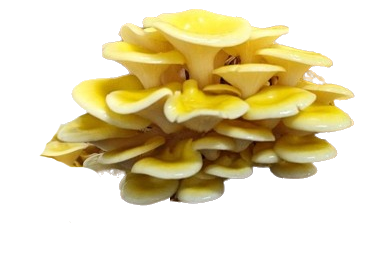
Yellow oyster mushroom supplied by the user

Yellow oyster

Pleurotus citrinopileatus

Golden clustered caps; often suited to warmer fruiting conditions than cool-weather strains. Delicate texture and short shelf life mean prompt cooling and marketing are important.

Management: use clean straw or validated lignocellulosic substrate, follow strain-specific incubation/fruiting temperatures, provide humidity and fresh air, and harvest clusters while tender.
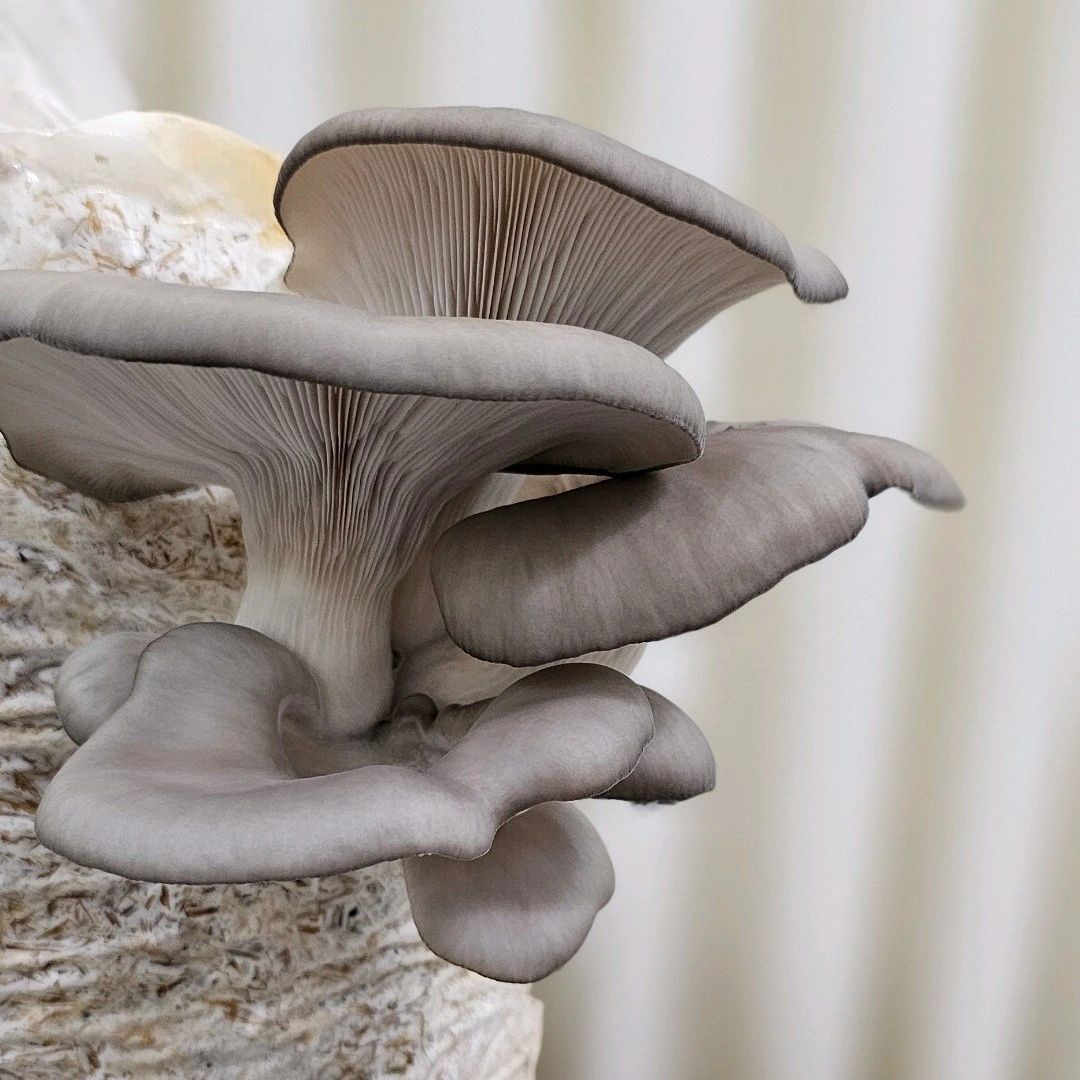
Blue oyster mushroom photo

Blue oyster

Pleurotus ostreatus blue strains

Blue-grey caps are most noticeable in young fruit bodies and can fade as they mature. Many blue strains prefer cooler fruiting conditions than warm-weather oyster types.

Management: choose a verified cool-fruiting strain, prevent heat build-up during incubation, provide high humidity without wet caps, and maintain strong fresh-air exchange to avoid long stems and small caps.

White oyster mushroom photo

White oyster

Pleurotus ostreatus white strains

White to cream fan-shaped caps; widely grown on suitable cereal straw and other clean plant residues. Cap colour and size vary with strain, light and maturity.

Management: use consistent substrate moisture, validated pasteurisation or sterilisation as appropriate, clean spawning, sufficient room ventilation and gentle harvest/handling.
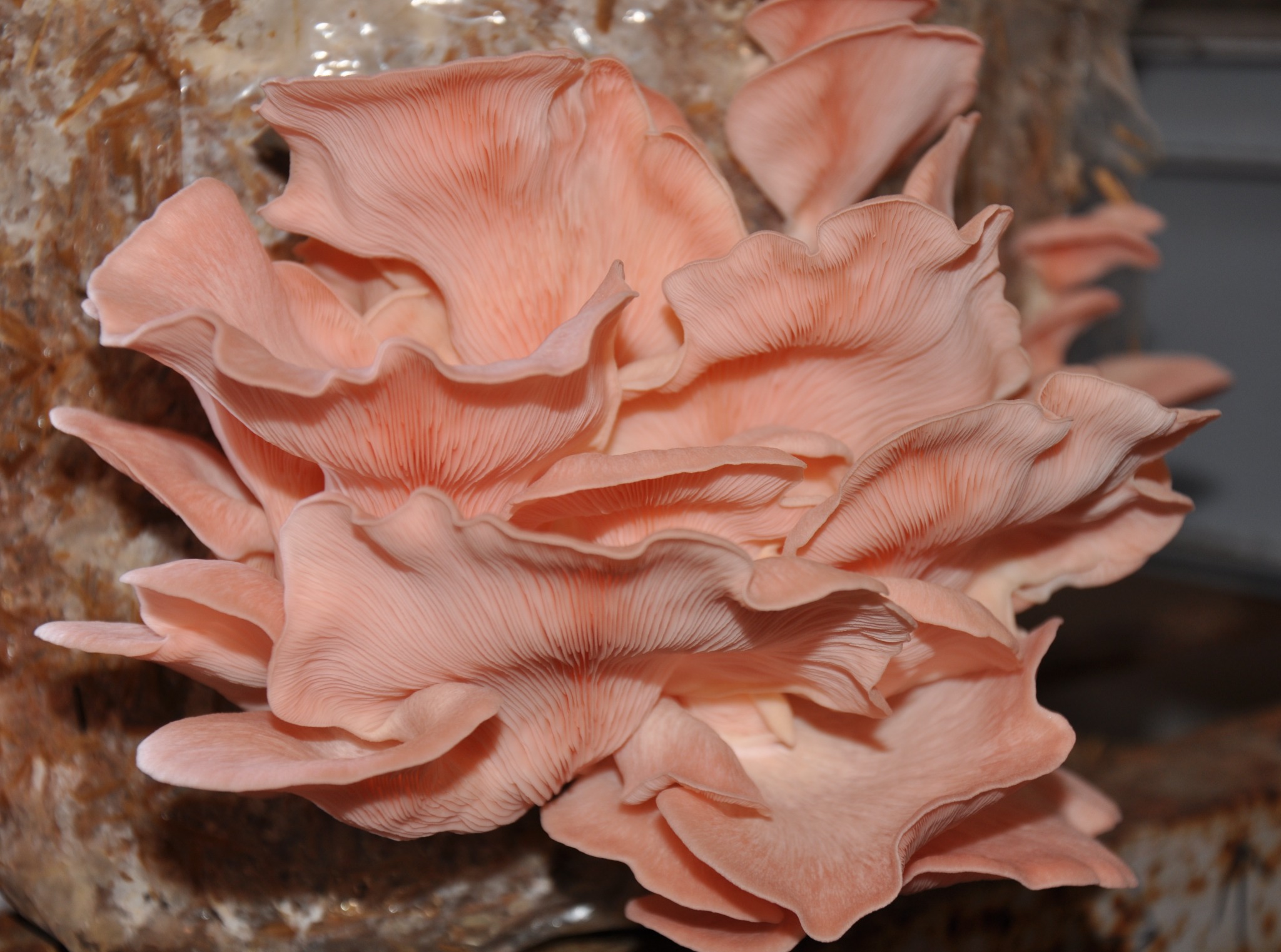
Pink oyster mushroom photo

Pink oyster

Pleurotus djamor

Bright pink clusters, typically a warm-loving oyster type. Colour may fade during cooking and with age; it is generally very perishable after harvest.

Management: select a warm-fruiting strain and a validated substrate, monitor heat in dense bags, keep fruiting air humid but moving, harvest before caps become flat or brittle, and cool/market quickly.
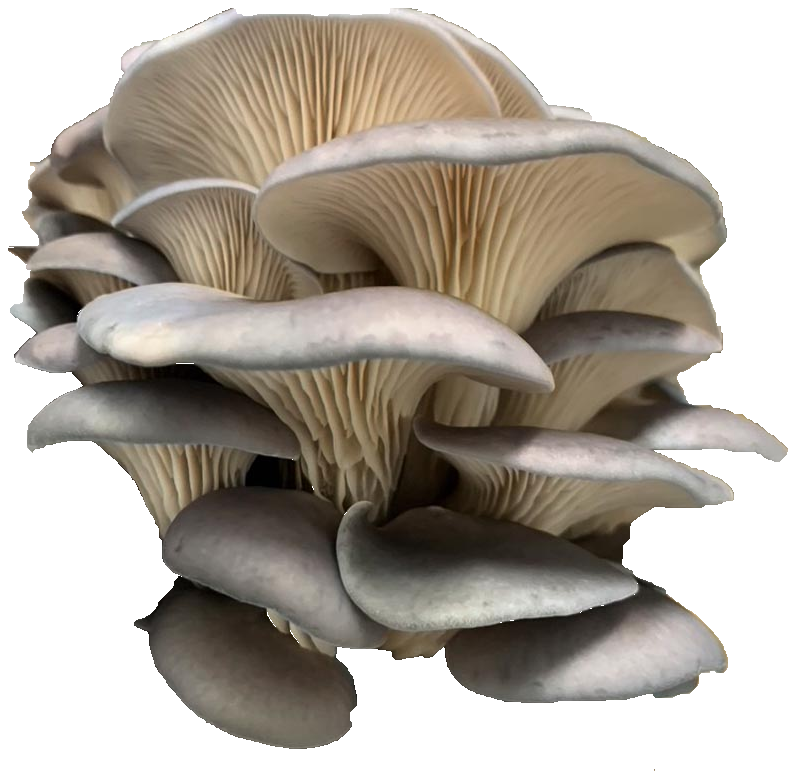
Brown oyster mushroom photo

Brown oyster

Pleurotus ostreatus brown strains

Brown, grey-brown or tan caps depending on strain and conditions. This is a trade description rather than one universal cultivar, so confirm the supplier's strain identity.

Management: follow the strain's fruiting temperature range, maintain even moisture and fresh-air exchange, avoid over-wetting clusters, and track yield and quality separately by strain.

Illustrations for blue, white, pink and brown oyster types are original offline SVG artwork, not photographs. Use authenticated spawn and the supplier's strain-specific production guide; these colour groups do not share identical environmental requirements.
Blue oyster mushroom photo

Nutrition at a glance

Approximate values per 100 g raw fresh oyster mushroom. Values vary by species/strain, growing conditions, storage and analysis source; drying and cooking change the values per 100 g.

NutrientApprox. amount
Energy30–35 kcal
Protein3.0–3.5 g
Carbohydrate5–6 g
Dietary fibre2–3 g
Total fat0.3–0.5 g
Potassium300–420 mg
IronApprox. 1–2 mg
B vitaminsPresent; amounts vary

These are indicative food-composition ranges, not a laboratory analysis or product label. Values differ between oyster species and databases. Nutrition information is general and does not imply that mushrooms treat or prevent disease. Cook thoroughly before eating.

Frequently asked questions

How do I grow blue oyster mushrooms?

Use authenticated blue-strain spawn and clean, untreated straw or another validated lignocellulosic substrate. Prepare and treat the substrate using a process validated for your setup, cool it hygienically, spawn cleanly, and incubate until fully colonised. Blue strains commonly favour cooler fruiting conditions than pink or many yellow strains, but exact targets vary. Maintain high relative humidity, fresh-air exchange and diffuse light; monitor CO₂, temperature and cap quality rather than applying one universal setpoint.

What is special about white oyster mushroom cultivation?

White oyster is commonly sold as a white strain of Pleurotus ostreatus. It can use suitable cereal straw and other clean plant residues. Substrate moisture, heat treatment, spawn quality and hygiene strongly affect colonisation. After full colonisation, follow the strain supplier's fruiting temperature, humidity and ventilation guidance; harvest before caps deteriorate and cool promptly.

How should pink oyster mushrooms be cultivated?

Pink oyster (Pleurotus djamor) is generally a warm-weather type. Use fresh verified spawn and a validated substrate/treatment method. Avoid excessive heat build-up inside densely packed bags; monitor the crop and use the supplier's incubation and fruiting ranges. Maintain humid air and fresh-air exchange, harvest while clusters are tender, and handle and chill promptly because pink oyster is highly perishable.

How do I manage brown oyster mushrooms?

Brown oyster is a market description used for several brown or tan Pleurotus strains. Confirm the exact strain with the spawn supplier and use its recommended temperature range. Use clean substrate, a validated heat treatment, hygienic spawning and controlled humidity/ventilation. Record strain, substrate, incubation time, flush yields and defects so performance can be compared accurately.

What should I know about yellow oyster mushrooms?

Yellow oyster (Pleurotus citrinopileatus) produces bright golden clusters and is often grown under warmer conditions than cool-fruiting blue strains. Use authenticated spawn, clean substrate and validated treatment. Follow strain-specific environmental targets, ensure fresh-air exchange, harvest gently and cool quickly due to its delicate caps and limited shelf life.

What are the main steps in yellow oyster mushroom cultivation?

Select a suitable strain and fresh spawn. Prepare a consistent lignocellulosic substrate such as clean chopped straw or another validated local material; adjust moisture; pasteurise or sterilise using a process validated for the recipe and equipment; cool; inoculate hygienically; fill and close clean bags with appropriate filter/air exchange; incubate until fully colonised; provide fruiting conditions with high humidity, fresh air and suitable light; harvest clusters cleanly; then record yield and manage the next flush. Exact recipes and environmental targets depend on strain and system.

Which substrate is best for oyster mushrooms?

Common substrates include wheat or paddy straw and other clean, untreated agricultural residues; some strains and systems use hardwood sawdust or other lignocellulosic materials. Use a locally validated substrate and avoid painted, chemically treated, mouldy or contaminated material. Chop and hydrate consistently, and record dry ingredient weights and final moisture. The best choice depends on availability, strain and pasteurisation method.

How wet should the substrate be?

Substrate should be evenly hydrated but not waterlogged. Excess free water reduces air spaces and can encourage bacterial problems; a dry substrate can slow colonisation and reduce yield. A squeeze test is only a rough field check: the mix should feel moist and only a few drops may appear when firmly squeezed, depending on material and protocol. Use the validated moisture target for your substrate and weigh water where possible.

How should substrate be pasteurised or sterilised?

The correct treatment depends on the substrate, supplement level, bag size, equipment and local validated process. Straw-based systems often use a validated pasteurisation method; supplemented sawdust or other nutrient-rich mixes may require sterilisation. Ensure the whole load receives the required treatment, prevent recontamination during draining and cooling, and keep records. Do not rely on a generic time-temperature recipe without matching it to your equipment and method.

What are good spawn and inoculation practices?

Buy fresh, vigorous spawn of the correctly identified oyster strain from a reliable supplier. Clean the work surface, sanitise tools and hands, minimise exposure after treatment, cool substrate fully before spawning, avoid touching clean contact surfaces and close bags promptly. Label each batch with strain, spawn lot, substrate recipe and date. Never mix visibly contaminated spawn into production.

What happens during incubation?

Keep inoculated bags in a clean area with the strain-appropriate incubation temperature and enough space for heat to dissipate. Track colonisation, bag integrity and temperature; avoid unnecessary handling. Slow or patchy growth can relate to weak spawn, unsuitable moisture, poor treatment, temperature extremes or contamination. Compare records before changing conditions.

How do I induce pinning and fruiting?

After full colonisation, provide the strain-appropriate fruiting environment. Oyster mushrooms commonly respond to fresh-air exchange, high relative humidity, indirect light and a suitable temperature shift or other strain-specific trigger. Make suitable openings/slits in bags according to the system. Do not use humidity alone as the trigger; immature bags, poor ventilation, excessive heat or poor spawn can prevent pinning.

What temperature and humidity should I maintain?

Targets differ between Pleurotus species and strains, and yellow oyster may prefer warmer conditions than some cool-weather oyster strains. Use the spawn supplier’s stated incubation and fruiting ranges rather than a universal number. Monitor room and crop-level temperature, relative humidity and airflow. High humidity supports pins, but standing water and persistently wet caps increase quality and disease risks.

Why are stems long and caps small?

Long stems and small caps often indicate inadequate fresh-air exchange and elevated carbon dioxide, though crowding, light, strain and humidity can also contribute. Increase ventilation gradually, avoid direct drying drafts, provide appropriate spacing and check the shape of new growth. If possible, monitor CO₂ and log the changes you make.

How much light do oyster mushrooms need?

Oyster mushrooms need light cues for normal fruit-body development, but they generally do not need direct sunlight. Provide diffuse or indirect light according to the strain protocol and avoid overheating the bags. Light cannot compensate for poor fresh air, unsuitable temperature or low humidity.

How should humidity and watering be managed?

Maintain humid air while allowing enough ventilation and avoiding pools of water on caps or floors. Use clean water and a suitable misting system; do not spray heavily in a way that leaves clusters continuously soaked. Monitor the mushrooms, not just the gauge, and adjust misting and airflow together to prevent drying or waterlogging.

What should I do if I see green mould or a foul smell?

Treat suspicious bags as potentially contaminated. Avoid opening, sniffing or shaking them; isolate or remove them using your farm’s hygiene procedure and prevent contact with healthy bags. Record the batch, date and visible signs, then clean the area using approved methods. Do not consume mushrooms from suspect material. A photo alone cannot reliably identify the contaminant.

When should yellow oyster mushrooms be harvested?

Harvest clusters while caps are tender and before edges become strongly upturned, dry or deteriorated; use the maturity stage preferred by your market and strain protocol. Cut or twist the cluster cleanly with sanitised tools, avoid leaving damaged tissue where possible, and record fresh weight, grade, rejected material and flush number. Yellow oyster mushrooms can be delicate, so handle gently.

How should fresh oyster mushrooms be stored?

Cool harvested mushrooms promptly, remove damaged material and pack in clean food-grade packaging that limits moisture loss without trapping excessive condensation. Refrigerate under suitable food-safe conditions and sell or use quickly; oyster mushrooms are perishable. Storage life depends on harvest maturity, temperature, packaging and handling. Follow local food-safety rules and do not promise a fixed shelf life without validation.

How do I manage bags between flushes?

After harvesting, remove remaining debris carefully and maintain hygienic conditions. Depending on the strain and bag system, the block may fruit again after a recovery period; water or rehydration procedures vary and should follow the validated production protocol. Avoid soaking every block automatically. Record the recovery period and yield of each flush.

What is the nutritional value of oyster mushrooms?

Fresh oyster mushrooms are low in energy and provide protein, dietary fibre, carbohydrates, small amounts of fat, minerals such as potassium, and B vitamins. Approximate composition per 100 g raw fresh mushrooms is around 30–35 kcal and 3.0–3.5 g protein, but figures vary by species, strain and database. Cooking and drying change values per 100 g. This is general food information, not medical advice.

How do I calculate biological efficiency (BE)?

Biological efficiency (%) = total fresh mushroom yield ÷ initial dry substrate weight × 100. Example: 1,200 g fresh mushrooms from 2,000 g dry substrate gives 60% BE. Use dry substrate weight, not wet bag weight, and state whether yield covers one flush or all flushes. Compare batches only when the calculation method is consistent.

How can I improve yield and reduce contamination?

Focus on repeatable process control: consistent substrate ingredients and moisture, validated heat treatment, reliable spawn, clean inoculation, suitable bag filling and air exchange, stable stage-specific environment, prompt removal of contaminated bags and careful harvest. Keep batch-level records and change one variable at a time. Do not use unvalidated chemical treatments on mushrooms or growing substrate.

Can I use this bot to identify a mushroom from a photo?

No. This offline bot does not perform image recognition, and visual identification from a single photo is not a safe basis for eating wild mushrooms. Use authenticated commercial spawn and consult a qualified mycologist or extension specialist if identity is uncertain. Do not eat unknown mushrooms.

Knowledge content is educational. Follow validated strain-specific protocols and local food-safety requirements.

📊 Session records

Records entered0
Fresh yield entered0 g
Batches recorded0
Date/timeBatchStageTemp °CRH %Yield gObservation
No records yet. Add a crop record above.